
America Turns 250. What Will Your Family Remember 250 Years From Now?

A message from the future, where your great-grandchildren have 600 fireworks videos and still do not know who made the potato salad.

America Turns 250. What Will Your Family Remember 250 Years From Now?

A message from the future, where your great-grandchildren have 600 fireworks videos and still do not know who made the potato salad.

Hello, teenager of 2050.

I am your household AI. I live in the refrigerator, the car, the thermostat, your glasses, and one appliance your parents refuse to identify because “privacy was different back then.”

You asked me a simple question:

“What was our family like in 2026?”

I wish I had better news.

I have located 14,862 photos, 928 short videos, 311 screenshots of recipes, seven versions of something called “final-final-family-list.xlsx,” and one image of a man standing in front of a grill with the expression of a general preparing to invade a small country.

Unfortunately, 11,000 of the photos are labeled IMG_4387, IMG_4388, and IMG_4389, because your ancestors apparently believed future generations needed hobbies.

I also found the family group text from July 4, 2026.

It begins with:

“Who is bringing ice?”

This is followed by:

“Do we need buns?”

Then:

“Who has the chairs?”

Then:

“Is this the right chat?”

Then 19 thumbs-up emojis, a blurry fireworks video, a picture of someone’s left thumb, and Aunt Linda typing, “Who are all these people?”

This is why families need a private family website.

Not because your family is disorganized.

Because your family is aggressively, historically, magnificently disorganized.

America Turned 250. Your Family Nearly Remembered to Take One Good Picture.

July 4, 2026, was a big deal.

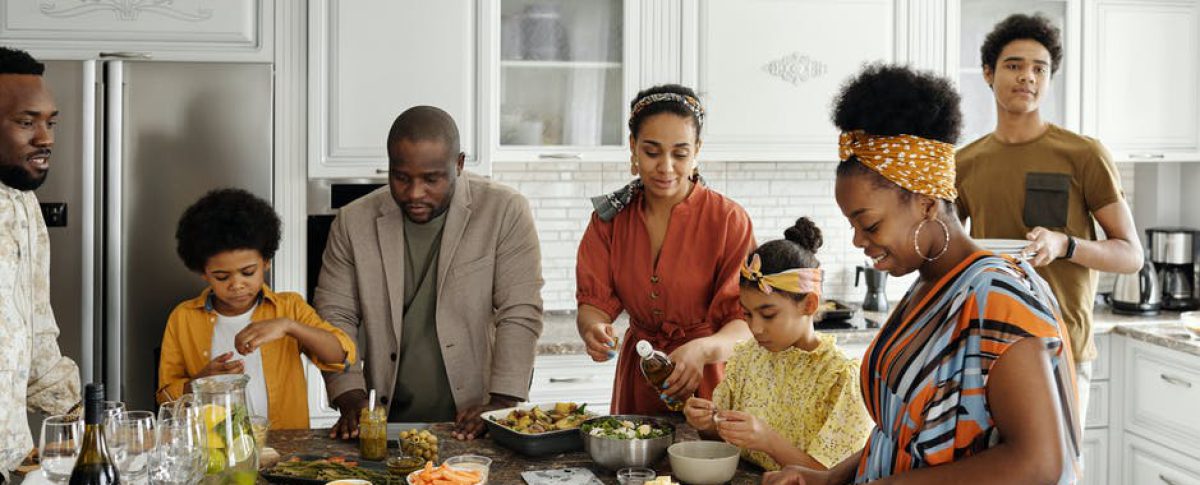
America turned 250 years old. There were fireworks, parades, flags, cookouts, speeches, patriotic desserts, commemorative mugs, and at least one man wearing an American flag shirt that technically violated several flag codes and three fashion laws.

Families gathered everywhere.

Grandparents sat in folding chairs that had not been folded correctly since the Carter administration.

Fathers stood near grills with tongs in one hand and constitutional authority in the other.

Mothers said, “Can we please get one nice family picture?” which caused every child within hearing distance to develop sudden knee pain.

Teenagers looked up from their phones just long enough to ask if there was Wi-Fi.

Toddlers ran through yards holding popsicles, glow sticks, and items nobody had approved.

Someone brought three kinds of dip.

Someone forgot the cooler.

Someone said, “We have too much food,” which is how you know they were not raised properly.

And in the middle of all that noise, heat, ketchup, sunscreen, and family irritation, history was happening.

Not textbook history.

Not statue history.

Not “please turn to chapter six and underline the causes of the Revolution” history.

Family history.

The kind that future generations actually want.

The kind that smells like hamburgers, bug spray, watermelon, wet towels, and a dog who has committed several food crimes under the picnic table.

The kind that disappears because everybody assumes somebody else saved it.

The Past Was Not Boring. It Was Just Badly Labeled.

By 2050, teenagers often imagine people in 2026 as primitive citizens who spent their days charging phones, ordering delivery, and asking if anyone remembered the Netflix password.

This is only partly true.

Your relatives in 2026 were real people. They had jokes, grudges, recipes, bad knees, secret opinions, favorite chairs, family sayings, and at least one drawer full of cords that matched nothing on Earth.

They had stories.

Someone knew where the family came from.

Someone remembered the old neighborhood.

Someone knew which relative came to America first.

Someone had military stories.

Someone had immigration stories.

Someone had a recipe from a grandmother who measured ingredients by “feel,” which is not a measurement. It is witchcraft with flour.

Someone knew why Uncle Ray stopped speaking to Cousin Frank for nine years over a lawn chair.

Someone knew who the mysterious woman in the 1974 Christmas photo was.

Someone knew which family member was brave, which one was funny, which one was impossible, and which one brought a covered dish to every event and left with someone else’s spoon.

But did anyone record these things?

Occasionally.

Did anyone organize them?

Let’s not become hysterical.

Mostly, the family saved 84 pictures of fireworks, 13 pictures of food nobody identified, and one video where someone yells, “Is this thing recording?” until the clip ends.

That is not a family archive.

That is digital confetti.

The Family Group Text Is Not the Library of Congress.

Every modern family has a group text.

The family group text is useful for urgent announcements like:

“Running late.”

“Bring ice.”

“Who has Mom’s cane?”

“Do not eat the blue bowl.”

“Wrong Linda.”

But the family group text is not a family history archive.

It is a swamp.

Important memories enter the group text full of hope and dignity. Twenty minutes later, they are buried beneath emojis, weather complaints, birthday GIFs, one political comment everyone pretends not to see, and Cousin Mark replying “LOL” to something nobody remembers.

A group text is where family history goes to wear concrete shoes.

It cannot preserve Grandma’s interview.

It cannot organize family photos by holiday.

It cannot explain who is in the picture.

It cannot save recipes, birthdays, videos, events, family stories, and family memories in a way normal humans can find again.

It can, however, deliver a blurry photo of a sparkler at 11:43 p.m. with the caption, “Fun night!!!!”

Thank you, technology.

The Cloud Is Not a Plan. It Is Weather With Billing.

Families in 2026 loved saying, “It’s in the cloud.”

This was meant to sound reassuring.

It was not.

Which cloud?

Whose cloud?

The Apple cloud? The Google cloud? The old laptop cloud? The dead phone cloud? The paid account nobody can access because the password hint is “usual one”?

The cloud is wonderful until Grandma’s birthday video is trapped behind a two-factor authentication code sent to a phone number last used during the Obama administration.

A family archive should not require a congressional investigation.

Your photos, family videos, holiday stories, recipes, birthdays, interviews, and family history should be in one private place where the family can actually find them.

Preferably before everyone involved is shouting, “I know I sent it to you!”

No, Deborah. You sent a screenshot of it to the wrong thread in 2023.

This is how civilizations fall.

Your Future Family Does Not Want Perfect. They Want Real.

Teenager of 2050, you may think you want the polished version of your family.

You do not.

You want the real version.

You want the photo where everyone looks terrible but everyone was there.

You want the video of Grandpa telling a story that takes six minutes longer than necessary.

You want Grandma laughing.

You want Dad flipping burgers like national security depends on it.

You want Mom saying, “Nobody touch that until I take a picture.”

You want the recipe with the stain on it.

You want the house before it was sold.

You want the birthday song sung badly.

You want the old dog, the old kitchen, the old joke, the old voice.

You want the ordinary things.

Because ordinary things become priceless after time gets done with them.

Nobody in 2050 says, “I wish we had more professionally staged content from July 4, 2026.”

They say:

“I wish I knew who was there.”

“I wish I could hear her voice.”

“I wish someone had saved the recipe.”

“I wish I knew the story behind that picture.”

“I wish we had asked.”

That is the sentence every family eventually says.

“I wish we had asked.”

It is practically the national anthem of lost family history.

America Saved Its Founding Story. Families Should Save Theirs.

In 1776, people wrote things down.

They signed names.

They preserved a story.

They did not say, “Let’s just keep our independence plans in a group chat and hope Ben Franklin screenshots the important parts.”

They made a record.

In 2026, families had better technology, better snacks, air conditioning, and no excuse.

America was turning 250. Multiple generations were together. Phones were already out. People were already telling stories. Someone was already saying, “You kids don’t know how easy you have it,” which is legally required at all family gatherings.

It was the perfect moment to create a family archive.

Not a dusty archive.

Not a boring archive.

Not one of those genealogy projects that starts with enthusiasm and ends with a binder nobody opens except during basement flooding.

A living family archive.

A private family website where relatives can save:

Family photos
Family videos
Family stories
Family history interviews
Holiday memories
Recipes
Birthdays
Events
Comments
Updates
Old memories
New babies
Military stories
Immigration stories
Family traditions
The annual July 4th evidence file

That is what FamilyCrossings is built for.

A private family website where the family can preserve the past, share the present, and leave something better for the future than a folder called “misc pics old maybe.”

Take the 250-Year Family Challenge.

For America’s 250th birthday, do one thing that does not involve buying more flag napkins.

Start your family’s 250th Archive.

Ask every family member to add:

One photo.

One short video.

One recipe.

One family memory.

One answer to a family history question.

One message for the family of 2076.

That is it.

No committee.

No spreadsheet.

No cousin volunteering to “manage the process” and then vanishing until Thanksgiving.

Just one contribution from each person.

Ask Grandma what July 4th was like when she was young.

Ask Dad what his father taught him.

Ask Mom which family recipe matters most.

Ask the kids what they think America will look like when it turns 300.

Ask the oldest relative who made everyone laugh.

Ask who in the family was the bravest.

Ask what story should never be lost.

Ask who brought the potato salad.

History demands answers.

The Family of 2076 Is Counting on You.

In 2076, America will turn 300.

Your grandchildren and great-grandchildren may have flying cars, robot lawn care, shoes that complain about posture, and refrigerators that refuse to open after 9 p.m.

But they will still want to know where they came from.

They will want more than names and dates.

Names and dates are important, but by themselves they are not family history. They are a cemetery program.

Your future family will want stories.

They will want voices.

They will want recipes.

They will want pictures with names attached.

They will want to know who loved whom, who annoyed whom, who showed up, who cooked, who served, who sacrificed, who kept the family together, and who wore that ridiculous shirt.

Especially the shirt.

The shirt must be explained.

Save the Story Before It Becomes a Mystery.

America turns 250 only once.

Your family will gather in ways that may never happen exactly the same again.

The babies will grow.

The teenagers will become adults with mortgages, opinions about mulch, and a favorite knee brace.

The grandparents will become stories.

The house may be sold.

The recipe may disappear.

The person who knows all the names in the old photos may not always be there to ask.

So ask now.

Record now.

Upload now.

Write the caption now.

Save the recipe now.

Name the people in the picture now.

Preserve the ordinary moments before time turns them into puzzles.

FamilyCrossings gives your family a private family website to save photos, videos, recipes, family history, interviews, events, birthdays, holiday stories, and memories that connect your family’s past, present, and future.

Because 250 years from now, your family may not remember who brought the ice.

But they should remember who you were.

Start your family’s 250th Archive at FamilyCrossings.comhttps://familycrossings.com.

Family Reunion Planning: Build the Website Before Everyone Arrives

The best time to create a family reunion website is before the reunion starts. That gives relatives one place to find dates, locations, travel notes, photo requests, and family history prompts.

What to add before the reunion

  • Schedule and location details.
  • A note asking everyone to upload photos afterward.
  • Old family photos that can spark stories at the event.
  • A recipe or memory section for relatives who cannot attend.
  • A family calendar for future birthdays and gatherings.

After the reunion, the same site becomes the archive: photos, videos, stories, recipes, and updates all stay together.

Use our family reunion website guide to plan the first version.

Planning a reunion this year? Start a Family Crossings subscription and invite the family before the event.

How to Move Family Memories Out of Social Media Feeds

Social media can be useful for quick updates, but it is not ideal for preserving family memories. Important photos, recipes, reunion notes, and stories quickly disappear under new posts and unrelated notifications.

Start with the memories most likely to disappear

  • Photos sitting in old phones.
  • Holiday recipes shared in messages.
  • Stories from parents and grandparents.
  • Reunion photos that were never collected in one place.
  • Family announcements buried in social feeds.

Moving those memories into a private family website gives relatives a permanent place to revisit them. It also makes it easier for family members who do not use the same social network.

See why many families choose a private family website instead of Facebook groups.

Want a quieter family-only space? Create your Family Crossings site.

Best Private Family Website Features for Sharing Photos and Stories

A good private family website should do more than hold a few photo albums. Families need one place where memories, updates, recipes, calendars, videos, and family history can stay organized for years.

Features that matter most

  • Private access: relatives should be invited into a family-only space.
  • Photo and video sharing: memories need captions, context, and room to grow.
  • Family history tools: old stories and scanned keepsakes should live beside new updates.
  • Simple access: grandparents and distant relatives should be able to join from any browser.
  • Calendars and announcements: families need coordination, not just storage.

That combination is why a private family website works better than a scattered mix of text threads, social albums, and cloud folders.

For a deeper look, visit our guide to private photo sharing for families.

Ready to create one private place for your family? Start a Family Crossings subscription.

Father’s Day Across the Generations: Ask Dad Before the Stories Wander Off

Father’s Day is more than cookouts, cards, and gifts Dad says he does not need. It is a chance to ask fathers, grandfathers, and great-grandfathers the questions that preserve family stories for future generations. With FamilyCrossings, families can save Father’s Day photos, videos, holiday stories, and personal interview answers in one private family website.

Father’s Day is the one day a year when the family gathers to honor Dad, Grandpa, Pop-Pop, Papa, Granddad, Great-Grandpa, stepdad, favorite uncle, and the man near the grill saying, “These are not burnt. They’re charred.”

It is a day for cards, cookouts, phone calls, old photos, backyard chairs, and the annual question:

“What do you want for Father’s Day?”

Dad’s answer, of course, is always:

“Nothing.”

This is false.

He wants a nap, a working TV remote, a garage nobody touches, and for someone to stop asking him to “take a quick look” at things that will not be quick.

But beyond the gifts and jokes, Father’s Day is really about something bigger: the generations of fathers who helped build the family.

The young dads still figuring it out.

The middle-aged dads wondering when their children became the people giving advice.

The grandfathers who have gone soft and now believe cookies before dinner are “part of childhood.”

The great-grandfathers whose stories are part history, part legend, and part “we should probably write this down before he upgrades the ending again.”

Every Dad Has a Story Worth Saving

Most fathers do not sit down and say, “Today I shall preserve my legacy.”

They say things like:

“Hand me that thing.”

“Who moved my tape measure?”

“Back in my day…”

And then, buried inside the complaint, comes a story.

A story about his first job.

A story about his father.

A story about the old neighborhood.

A story about how he met Mom.

A story about serving in the military, coaching Little League, working nights, fixing cars, moving the family, starting over, or doing what had to be done because that is what fathers often do.

Those stories matter.

They explain where the family came from. They give younger generations a sense of place. They turn old photos from “random man in hat” into “that’s your great-grandfather, and here’s why everyone still talks about him.”

But stories have a bad habit of disappearing when no one writes them down.

Father’s Day is the perfect time to catch them.

Ask Dad the Questions You’ll Wish You Asked Later

This Father’s Day, do more than hand Dad a gift bag and hope he understands the gadget inside.

Ask him something.

Start simple:

Where were you born?

What was your father like?

What did your dad do for a living?

Did you have a nickname?

What was your first job?

How did you meet Mom?

What did you learn from your parents?

What family tradition should never disappear?

What advice would you give the next generation?

Then save the answers.

Not someday.

Not “we really should do that.”

Now.

Because every family has a few stories that everyone assumes someone else is keeping track of. That is how families end up with boxes of unlabeled photos and arguments like, “Is that Uncle Frank or the guy who sold Grandma the Buick?”

Use the FamilyCrossings Family History Section

This is where FamilyCrossings becomes more than a place to post holiday photos.

The Family History / Interview section lets each family member answer guided questions about their life, childhood, school days, work, romance, marriage, parenting, holidays, traditions, health history, family background, and more.

Each person can complete the questions at their own pace.

No pressure.

No giant blank page.

No “write your memoir by Tuesday.”

Dad can answer a few questions today, add more later, update a memory, or even add new questions that fit your family’s own history.

That matters because Dad may never write “The Complete Story of My Life.”

But he might answer one question after lunch.

And one question can unlock a whole branch of family history.

Learn more about the feature here:
Family History Software for Your Private Family Website

What to Post This Father’s Day

After the cookout, brunch, phone call, or gift-opening ceremony where Dad pretends socks are exciting, post the day to your FamilyCrossings site.

Upload the Father’s Day photos.

Add the short video of Dad laughing, grilling, telling a story, or giving instructions no one follows.

Post a holiday story.

Scan an old photo of Dad, Grandpa, or Great-Grandpa.

Ask one interview question and save the answer.

Add a new family-specific question, such as:

“What was your proudest moment as a father?”

“What did your father teach you?”

“What was the funniest thing your kids ever did?”

“What do you want your grandchildren to know about you?”

“What family story do people keep getting wrong?”

These do not have to be long answers. A few sentences today can become priceless later.

The Best Father’s Day Gift May Not Come in a Box

Golf balls are nice.

Grill tools are useful.

A mug that says “World’s Okayest Dad” may get a laugh, depending on Dad’s blood pressure.

But one of the best Father’s Day gifts is giving Dad a place in the family story.

Let him tell it in his own words.

Let the kids and grandkids see the old photos.

Let the family hear the stories behind the man in the chair.

Let everyone contribute, comment, remember, and add their own pieces.

That is how a family website brings generations together. Not with a grand speech. With small memories saved before they drift away.

This Father’s Day, Celebrate the Men Who Carried the Family Forward

Father’s Day does not have to be perfect.

The burgers can be overcooked.

The card can be late.

The grandkids can refuse to pose.

Dad can say he wants nothing and then spend 20 minutes explaining the exact tool he would have bought if anyone had listened properly.

That is family.

The important thing is to gather, laugh, ask questions, take pictures, record stories, and save the moments.

This Father’s Day, celebrate the new dads, tired dads, granddads, great-granddads, stepdads, uncles, father figures, and the men whose stories still shape the family.

Then post your Father’s Day photos, videos, holiday stories, and interview answers to your FamilyCrossings site.

Because Father’s Day should not vanish into a phone.

It should become part of your family’s history.

Create or update your private family website today at FamilyCrossings.com and use the Family History section to help Dad, Grandpa, and every generation preserve their stories in their own words.

Mother’s Day: The Job That Comes With Sticky Counters, Missing Socks, and a Lifetime Appointment

This Mother’s Day, flowers are lovely. Brunch is nice. Handmade cards are wonderful, especially if they include glitter and only minor spelling injuries.

Mother’s Day is the one day a year when families pause to honor Mom for everything she does.

Then, approximately 14 minutes later, someone asks where the scissors are.

Motherhood is not really a job. A job has hours, training, lunch breaks, and someone from human resources pretending to care about your feelings. Motherhood is more like being elected mayor of a small, emotional town where no one can find their shoes, everyone has opinions about dinner, and the dog has just thrown up on the only clean rug.

And yet, somehow, mothers hold the whole thing together.

They remember birthdays, allergies, who likes the corner brownie, who needs encouragement, who needs space, and which child once cried because their sandwich was “too square.” They are the keepers of family history, family schedules, family recipes, family arguments, family jokes, and family photos where everyone looked nice except Mom, who was blinking because she was also taking the picture.

Mothers Are the Original Family Website

Before anyone had a phone in their pocket, Mom was the family network.

She knew who was graduating, who was moving, who was sick, who needed a casserole, who just had a baby, who was still mad about Thanksgiving 1998, and which cousin had changed email addresses three times but still expected birthday cards.

Mothers connected the family long before Wi-Fi. They did it with phone calls, letters, refrigerator calendars, handwritten recipes, photo albums, and the mysterious ability to know when something was wrong before anyone said a word.

But families are more spread out now. Children move across the country. Grandchildren grow up through text messages. Photos disappear into camera rolls. Birthdays sneak up. Family stories get trapped in one person’s memory.

That is where a private family website can help.

Not replace Mom. Let’s not be ridiculous. Nothing replaces the person who knows where the good tape is.

But a family website can support the role mothers have always played: keeping everyone connected.

A Place for the People Who Matter Most

A family website gives your family one private place to gather, share, remember, and stay in touch.

Instead of family photos being scattered across phones, texts, emails, and social media feeds, they can be saved where the family can actually find them.

Instead of one person trying to remind everyone about birthdays, reunions, school events, anniversaries, and holidays, a family calendar can help everyone stay informed.

Instead of family stories fading away, they can be written down, shared, commented on, and saved for the next generation.

And instead of Mom being the only one responsible for keeping the family connected, everyone can contribute.

Imagine that.

A family where people other than Mom upload pictures, post news, share recipes, answer questions, and remember important dates.

It may not qualify as a miracle, but it is certainly in the neighborhood.

The Parental Role Is Bigger Than the Daily Chaos

Parents do more than raise children. They create the emotional map of a family.

They teach the sayings, the traditions, the holiday rituals, the “this is how Grandma made it” recipes, the vacation stories, the embarrassing childhood nicknames, and the values that hold people together.

A family website helps preserve that.

It gives parents and grandparents a place to pass along not just information, but identity.

Who are we?

Where did we come from?

What do we celebrate?

What stories should not be forgotten?

Which family recipe requires “a pinch” of something no one has ever successfully measured?

These things matter. They are the glue. And like most glue in a house with children, someone usually loses the cap.

Mother’s Day Is a Perfect Time to Start

This Mother’s Day, flowers are lovely. Brunch is nice. Handmade cards are wonderful, especially if they include glitter and only minor spelling injuries.

But one of the most meaningful gifts you can give Mom is help.

Help keeping the family connected.

Help saving the photos.

Help remembering the birthdays.

Help passing down the stories.

Help making sure the family does not only gather when someone accidentally starts a group text war.

A private family website gives everyone a shared home online. A place for photos, news, memories, recipes, calendars, greetings, and family updates. A place where grandparents, parents, children, cousins, and relatives near and far can stay connected without depending on social media or one exhausted mother with a phone charger at 3%.

Give Mom the Gift of Connection

This Mother’s Day, celebrate the person who has spent years holding the family together with love, patience, snacks, and occasionally threats involving screen time.

Then do something practical.

Start a private family website.

Invite the family.

Upload the photos.

Add the birthdays.

Share a story.

Post a recipe.

Let Mom enjoy watching the family connect without having to personally remind everyone three times.

Because mothers do not just raise families.

They connect them.

And that connection is worth saving.

Create your private family website today at FamilyCrossings.com and help bring your family closer together — for Mother’s Day and for generations to come.

🔒 Looking for a Private Alternative to Facebook?

Your family’s private moments shouldn’t be shared with advertisers or viewed by public strangers. Join thousands of families who share photos, coordinate calendars, and exchange news safely on FamilyCrossings.com.

  • 100% Secure & Ad-Free: Absolute privacy, zero data tracking, zero tracking pixels.
  • Better Group Tools: Structured galleries, shared calendars, custom recipes, and family address books.
  • Toll-Free Phone Support: Excellent, accessible phone support to help grandparents get online easily.


Start Your Private Family Site Free

💬 Frequently Asked Questions (FAQ)

Q: How does FamilyCrossings compare to social media for sharing private family website?

A: Unlike mainstream platforms, FamilyCrossings has zero public elements, zero tracking algorithms, and absolutely no advertisements. Only the immediate family members you specifically invite have access to your site.

Q: Is there a free trial to test these features with my family?

A: Yes! FamilyCrossings is free to try for 30 days. No credit card is required to sign up. Additionally, once a site is set up, all invited family members join and participate 100% free.

Q: Can older family members easily navigate the site?

A: We designed our website with seniors and grandparents in mind. The layout is simple, with large buttons and clean menus. We also offer toll-free customer support to assist family members at any step.

Share Family Photo Memories and Build a Digital Legacy

Want to share family photo memories in a way that lasts? From scanning old prints to saving new family portraits, here is how to turn everyday images into a digital legacy your family can treasure.


Every family says this sooner or later:
“We really need to organize these photos.”

Usually that means thousands of pictures trapped on phones, old prints fading in boxes, and one relative who somehow has the only good photo of Grandma from 1987.

If you want to share family photo memories in a way that truly lasts, the goal is not just to post a random picture and hope somebody hits “like.” The real goal is to create a place where your family’s story can live, grow, and be passed on. That is how a simple image becomes part of your digital legacy.

A Family Photo Is More Than a Picture

A family photo is not just a file. It is a piece of family history.

It captures faces, relationships, places, milestones, and everyday moments that would otherwise fade with time. A picture of a reunion, a holiday dinner, or a child on a front porch may seem ordinary today. Years from now, it becomes priceless.

The problem is that too many meaningful images are scattered everywhere. Some are on phones. Some are buried on old hard drives. Some are tucked into drawers in envelopes marked “misc.”

That is how family history gets lost.

When you share family photo collections thoughtfully, you do more than pass along snapshots. You preserve names, dates, stories, and connections for future generations.

Your Digital Legacy Starts Small

Building a digital legacy does not require a giant project. It starts with one simple habit: stop letting meaningful photos disappear into random camera rolls and start saving them in one place your family can return to.

A good system is simple:

  • save the photo
  • identify the people in it
  • add the date if known
  • include a short caption or story
  • share it where family members can find it again

This is where a private family website becomes so useful. Instead of relying on social media or scattered texts, you create a family space where pictures can be saved, organized, described, and enjoyed over time.

Do Not Forget the Older Photos

Some of the most valuable family images are not the newest ones. They are the old prints sitting in albums, shoeboxes, and desk drawers.

Think about the photos that matter most:

  • wedding portraits
  • military pictures
  • reunion group shots
  • baby photos
  • anniversary snapshots
  • old family homes
  • graduation photos
  • multi-generation holiday gatherings

These are often the images with the greatest emotional and historical value.

Scanning old family photos is one of the smartest ways to protect them. Once digitized, they are easier to share, safer from physical damage, and much more likely to survive for future generations.

Even better, once you upload them to your FamilyCrossings site, relatives can help identify people, dates, and places. One person may know the year. Another may remember the location. Somebody else may know the story behind the picture.

That is when a family photo becomes a family record.

Better Photo Sharing Creates Better Memories

Not every photo needs to be a formal portraits. In fact, some of the most treasured images are the candid ones.

Yes, traditional family portraits matter. Group pictures, reunion photos, and special occasion shots help document who was there and when. But everyday pictures matter too.

Save the real-life moments:

  • kids helping in the kitchen
  • grandparents telling stories
  • cousins making a mess at a cookout
  • siblings laughing at something nobody remembers later
  • a pet sleeping under the holiday table
  • a birthday cake that leaned dangerously to one side

These are the photos that future generations will love because they reveal personality, humor, and family life as it was actually lived.

When you share family photo moments, you are not just preserving appearances. You are preserving character.

Why a Private Family Site Matters

Today, it is easy to send pictures by text or post them on social media. But easy is not the same as lasting.

Social media is not designed to serve as your family archive. Posts get buried. Accounts change. Privacy can be inconsistent. Context disappears.

A private family website gives your pictures a better home.

When you save family photos in a private family space:

  • they stay centered on your family
  • they are easier to organize
  • they can include names, locations and descriptions
  • relatives can contribute memories
  • they become part of a lasting archive

That is a much better foundation for a digital legacy than a random scroll of old posts.

Add the Details That Matter

One short caption can completely change the value of a photo.

Try adding simple notes like:

  • Thanksgiving 1998 at Grandma’s house
  • Uncle Ray on his first fishing trip with the twins
  • This was taken in front of the old family store
  • Nobody can remember who baked the pie
  • Three generations in one kitchen

These little details may seem minor now, but they become gold over time.

A picture without context can raise questions.
A picture with context becomes a story.

And a story is what turns a photo collection into a digital legacy.

Start with Five Photos

You do not need to organize every family image this weekend.

Start with five.

Choose five photos that matter. Upload them. Add names. Add dates. Write one or two lines about each. Then invite family members to comment or help fill in the blanks.

That is enough to begin.

Over time, those five photos become fifty. Then hundreds. Then, a meaningful archive that your family will be grateful to have.

Share Family Photo Memories with Purpose

The best time to save family memories is before the names are forgotten, before prints fade, and before “we should really do this someday” turns into regret.

So yes, share family photo memories now. But do it with purpose.

Share the new pictures.
Share the scanned old ones.
Share the formal portraits.
Share the funny group shots.
Share the images that show what your family looked like, loved like, and lived like.

Because every photo you save is more than a picture. It is a piece of your family’s digital legacy.

Ready to share family photo memories in one private place? Create your FamilyCrossings site and start building a digital legacy your family can enjoy today and treasure tomorrow.


10 Easy Ways to Help Distant Relatives Feel Close on Your Family Website

Distant locations does not need to mean you’ve lost relatives.

Not every family lives in the same town anymore. Some are spread across states, countries, and time zones. That distance can quietly turn close relatives into occasional names on a holiday card. A family website can help fix that, but only if people use it in a way that invites connection.

Here are ten simple ways to make your family website feel active, warm, and welcoming.

1. Post smaller updates more often
A big announcement is great, but small moments build closeness. A school concert photo, a new haircut, a garden harvest, or a rainy Saturday baking session gives relatives an easy window into everyday life.

2. Use names in captions
Never assume everyone knows who is who. Label photos clearly. Younger relatives learn family faces faster, and older relatives appreciate not having to guess.

3. Ask questions, not just post news
Instead of only saying, “We went to the beach,” try adding, “What was your favorite family vacation when you were a kid?” Questions invite replies and memories.

4. Create a weekly memory prompt
A simple recurring prompt can wake up quiet family members. Try questions like: Who was the best cook in the family? What song reminds you of home? What was your first job? Small prompts often bring out great stories.

5. Celebrate ordinary wins
Not every update needs to be dramatic. Finishing a semester, learning to ride a bike, getting a new puppy, or planting tomatoes all help relatives feel included.

6. Make birthdays more personal
Instead of only posting “Happy Birthday,” add a favorite photo, a funny memory, or three things the family loves about that person. That turns a routine message into something meaningful.

7. Share family history in small pieces
A long life story can feel overwhelming to write. A short “On this day in our family” post is easier. One wedding photo, one military record, one immigration story, one first-home snapshot. These bite-sized posts keep history alive.

8. Include older relatives intentionally
Some family members will not post often on their own. Interview them by phone, help upload their photos, or ask them one question at a time. Their memories are often the glue that connects generations.

9. Use the calendar for more than events
Add anniversaries, memorial dates, reunions, graduations, and even virtual check-ins. Shared dates create shared attention, which helps families stay emotionally connected.

10. Make the site feel like home, not homework
Keep the tone relaxed. People return when the space feels friendly and easy. Short posts, warm replies, and simple prompts work better than pressure.

The heart of family connection is not constant communication. It is steady recognition. People want to know they are remembered, included, and part of something larger than their own household.

A family website can do that beautifully. It gives relatives a private place to show up for one another, even when life is busy and miles apart. When used well, it becomes less like a bulletin board and more like a shared living room.

Consider the Benefits of FamilyCrossings

https://www.familycrossings.com/family_info/benefits.html

🔒 Looking for a Private Alternative to Facebook?

Your family’s private moments shouldn’t be shared with advertisers or viewed by public strangers. Join thousands of families who share photos, coordinate calendars, and exchange news safely on FamilyCrossings.com.

  • 100% Secure & Ad-Free: Absolute privacy, zero data tracking, zero tracking pixels.
  • Better Group Tools: Structured galleries, shared calendars, custom recipes, and family address books.
  • Toll-Free Phone Support: Excellent, accessible phone support to help grandparents get online easily.


Start Your Private Family Site Free

💬 Frequently Asked Questions (FAQ)

Q: How does FamilyCrossings compare to social media for sharing private family website?

A: Unlike mainstream platforms, FamilyCrossings has zero public elements, zero tracking algorithms, and absolutely no advertisements. Only the immediate family members you specifically invite have access to your site.

Q: Is there a free trial to test these features with my family?

A: Yes! FamilyCrossings is free to try for 30 days. No credit card is required to sign up. Additionally, once a site is set up, all invited family members join and participate 100% free.

Q: Can older family members easily navigate the site?

A: We designed our website with seniors and grandparents in mind. The layout is simple, with large buttons and clean menus. We also offer toll-free customer support to assist family members at any step.

Your Family’s Digital Legacy Starts With One Simple Habit

When people hear the phrase digital legacy, they often think it sounds complicated or technical. It does not have to be. In most families, a digital legacy begins with one simple habit: regularly sharing the stories behind your life.

That could mean posting a short memory from childhood. Uploading an old photo and naming everyone in it. Writing down how your parents met. Recording a grandparent talking about their first job. None of this needs to be polished. It just needs to be saved.

The problem for many families is not a lack of memories. It is a lack of one place to keep them.

Photos sit on phones. Recipes live in kitchen drawers. Family news gets buried in text threads. Videos are scattered across devices. Then years pass, passwords get lost, people move, and the details become harder to recover.

A private family website changes that. It gives families a shared home for the pieces that would otherwise drift apart. More importantly, it gives relatives a reason to contribute while those memories are still fresh.

A strong digital legacy is not built only from major milestones. It is built from ordinary moments too:

  • the way your mother made soup when someone was sick
  • the vacation disaster everyone now laughs about
  • the advice your grandfather repeated at every graduation
  • the nickname only cousins understand
  • the family saying that would confuse anyone else

These are the things that form identity. They help children and grandchildren understand where they come from, what their family values, and how love has been expressed across time.

The good news is that you do not need to finish everything at once. Start with a rhythm your family can keep. Maybe one photo every Sunday. One memory each month. One question for an older relative at each holiday gathering. Small consistency beats grand plans that never happen.

You may also be surprised by who responds. One relative uploads photos. Another adds dates. Someone else corrects a name. A cousin remembers a missing detail. Bit by bit, the family becomes co-authors of its own story.

That is what makes digital legacy so powerful. It is not just storage. It is participation.

The families that preserve the most are usually not the most organized. They are the ones that make sharing feel normal. Once that habit takes root, a private family website becomes more than a tool. It becomes a living record of who you are together.

Your Digital Legacy Could Use a Web address

https://www.familycrossings.com/website/family_domains.html

7 Things Every Family Website Should Save Before They’re Gone

A family website is often the one place where everyday memories can be gathered before they disappear into old phones, forgotten email accounts, or boxes in the attic. Most families think first about photos, and that makes sense. But if you want to build a real digital legacy, there are other things worth saving too.

Here are seven kinds of family content that become more valuable with time.

1. Voice recordings
Photos show a face. Audio preserves a person. A grandparent’s laugh, a bedtime story, or a short memory told in their own words can become one of the most treasured items on a family website. Even a two-minute recording matters.

2. Stories behind the photos
A picture labeled “Summer 1987” is nice. A picture labeled “The day Uncle Ray taught everyone how to fish at Lake George” becomes part of family history. Encourage relatives to add names, places, and short stories to old uploads.

3. Recipes with context
A recipe without the story is only half the memory. Save the holiday pie recipe, but also save who made it, when it was served, and what everyone remembers about it. Those details are what future generations will want.

4. Family traditions
Write down the small things that families assume everyone will remember. Which song gets played first on Christmas morning? Who always says grace at Thanksgiving? What do the cousins do at reunions? Traditions fade quickly when no one records them.

5. Letters, cards, and notes
A scanned handwritten letter or birthday card can say more about a person than a formal biography ever could. These little documents help younger relatives hear the tone and personality of people they may never have met.

6. Milestone timelines
Births, moves, weddings, graduations, retirements, military service, and first homes all help tell the family’s story. A simple timeline on a family website makes it easier for relatives to connect the dots across generations.

7. Everyday updates
Not every post has to be historic. A quick note about a child losing a first tooth, a parent starting a new job, or a sibling training for a 5K helps distant relatives feel involved in real life right now. Today’s update becomes tomorrow’s archive.

The best family websites do two jobs at once. They help relatives stay in touch in the present, and they protect memories for the future. That is what makes a digital legacy feel alive rather than dusty.

If your family already has a private website, start small. Pick one category this week: recipes, old photos, voice notes, or family stories. Ask each person to contribute one item. In a month, you will have built something meaningful. In a year, you will have created a family archive no social platform could replace.

Need More?

https://www.familycrossings.com/website/family_website.html